




In a landmark decision, all 193 member countries of UNESCO, a specialized agency of the United Nations, have unanimously approved an agreement addressing the complex landscape of artificial intelligence (AI). This historic moment marks the first time in human history that nations have come together to define common values and principles for the responsible advancement of AI technology.
Described by the UN as a pivotal document, the agreement establishes a comprehensive legal framework aimed at ensuring the ethical development and safe utilization of artificial intelligence. UNESCO Director General Audrey Azoulay emphasized the necessity of such regulations, stating that "the world needs certain rules for the use of artificial intelligence," underscoring the global responsibility for its implementation.
While acknowledging the transformative potential of AI, the agreement also highlights the unprecedented challenges it poses. From streamlining processes like flight bookings and loan applications to revolutionizing medical diagnostics and accessibility for people with disabilities, artificial intelligence permeates various facets of modern life.
Crucially, the agreement prioritizes methods that harness AI as a potent tool in addressing pressing global issues such as climate change and social upheaval. The document's scope extends beyond conventional applications, recognizing AI's expanding presence in diverse domains.
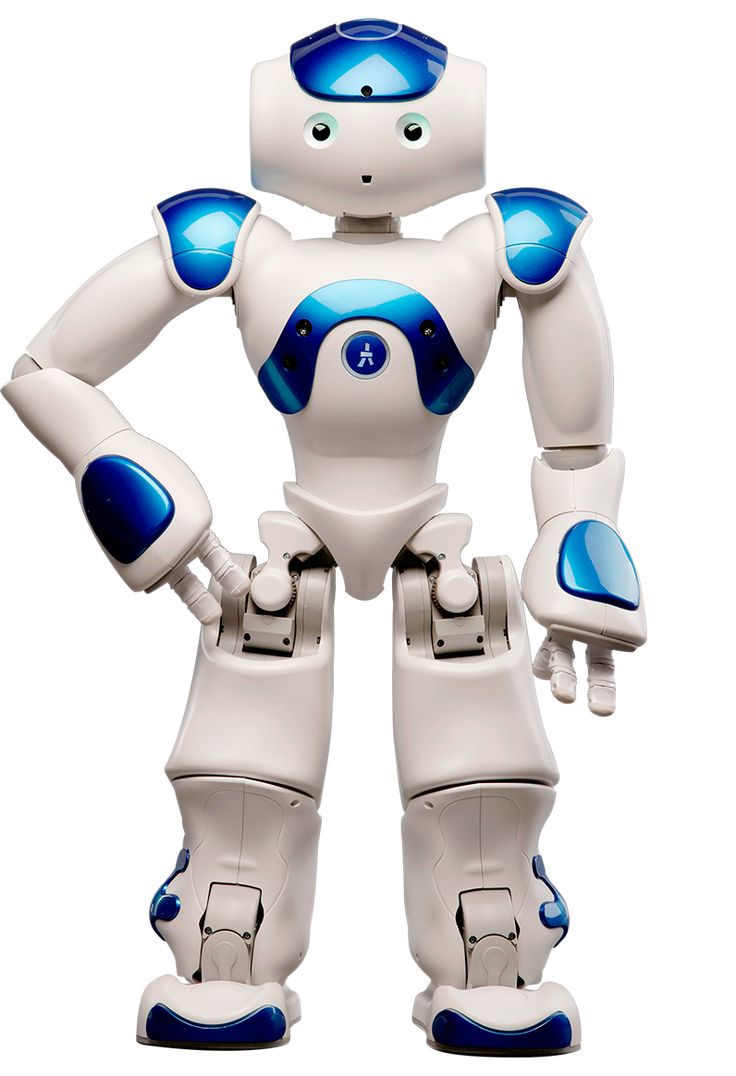
Illustrating the pervasive nature of AI, even events as significant as the Olympic Games will witness its integration. In the upcoming 2022 Games in Beijing, robotic commentators proficient in sign language will complement traditional broadcasting, showcasing AI's evolving role in communication and accessibility.
By establishing guidelines for labor relations between humans, AI, and robots, the agreement paves the way for navigating the complexities of future employment dynamics. As the deployment of AI systems becomes increasingly prevalent, such regulatory frameworks are crucial for fostering equitable and responsible interactions between humans and intelligent technologies.


