



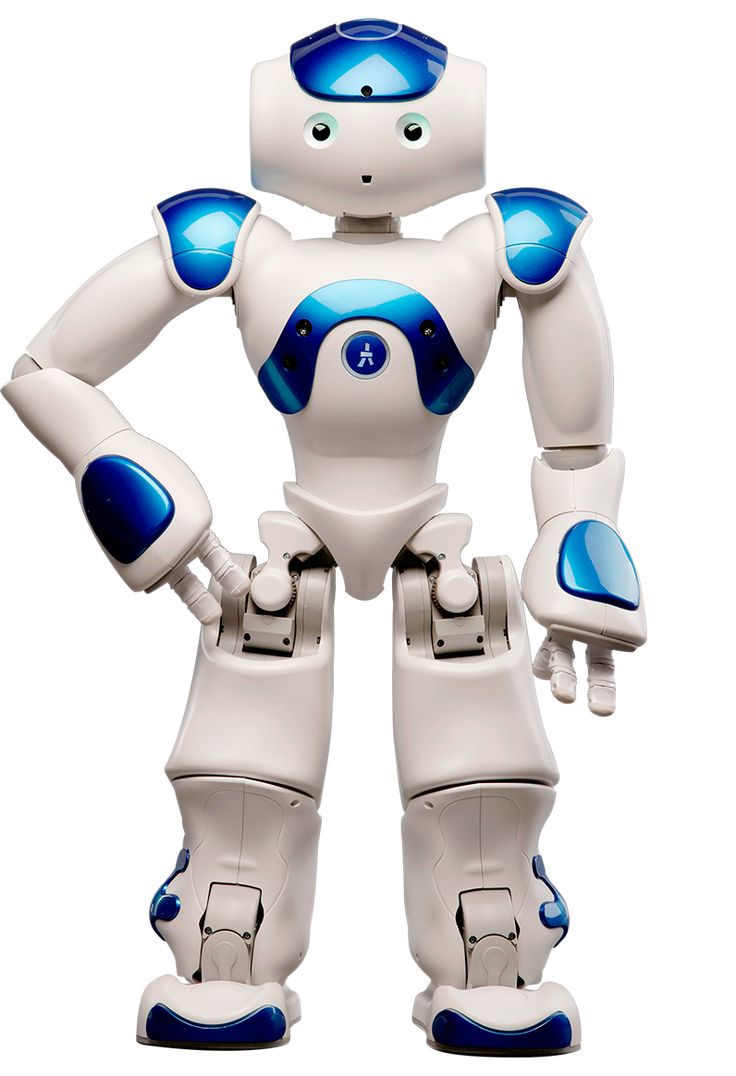

Shenzhen-based company EngineAI has completed its Series Pre-A++ and A1 funding rounds, raising approximately one billion yuan ($139.7 million). These funds will be used to launch mass production, expand their product portfolio, and implement embodied intelligence technologies.
According to EngineAI representatives, the humanoid robot market is projected to reach between 38 ??????? ??? ???? 200 billion by 2035. The company's technology integrates traditional control methods with machine learning techniques, ensuring high movement accuracy and reliability.
The foundation of EngineAI's success lies in its innovative joint modules, providing powerful dynamics, fast rotation speeds, and explosive force. This allows robots to perform realistic maneuvers, including dancing, forward flips, and running.
Strategic partnerships with companies like NVIDIA, Amazon, JD.com, Tencent, and ByteDance are expected to accelerate the commercial deployment of humanoids in areas such as commercial services, hazardous operations, and tourism. Some production lines have already exceeded planned output volumes, and the company aims to finalize production optimization by the end of the current year.
Investors included Rockets Capital backed by XPeng, along with JD.com, CATL Capital, Yintai Group, TH Capital, Guochen Venture Capital, and Huangpu River Capital. The raised funds will support further product development, including bipedal and fully humanoid robots, as well as an increase in production capacities and recruitment of developers.
At the upcoming RoboBusiness 2025 event in October in Santa Clara, discussions will focus on the future prospects of humanoid robotics, safety issues, and integrating behavioral sciences into humanoid design.
Developing humanoid robots represents one of the most promising directions in modern robotics. Such machines hold potential to revolutionize various aspects of society, ranging from industries to everyday life. Innovative joint module designs combined with deep learning integration enable creating viable prototypes that could become part of our reality within just a few years.
However, ethical concerns arise regarding the introduction of humanoid robots. How will our lives change if these devices become commonplace? Are we ready to entrust routine tasks to machines, replacing human labor?
It is important to consider social implications as well. Some experts fear widespread unemployment due to worker replacement by robots. Others see benefits in developing humanoid technology, freeing humans from monotonous work and allowing more room for creativity and self-development.
Additionally, interactions between humans and robots require special attention. Legal frameworks regulating the use of humanoid devices need to be established, cybersecurity must be ensured, and responsibility questions concerning manufacturers and users' behavior towards robots should be addressed.
Nonetheless, it's clear that the future is here, and we must adapt to new living conditions, addressing emerging problems while embracing the advantages of this new era of robotization.


