




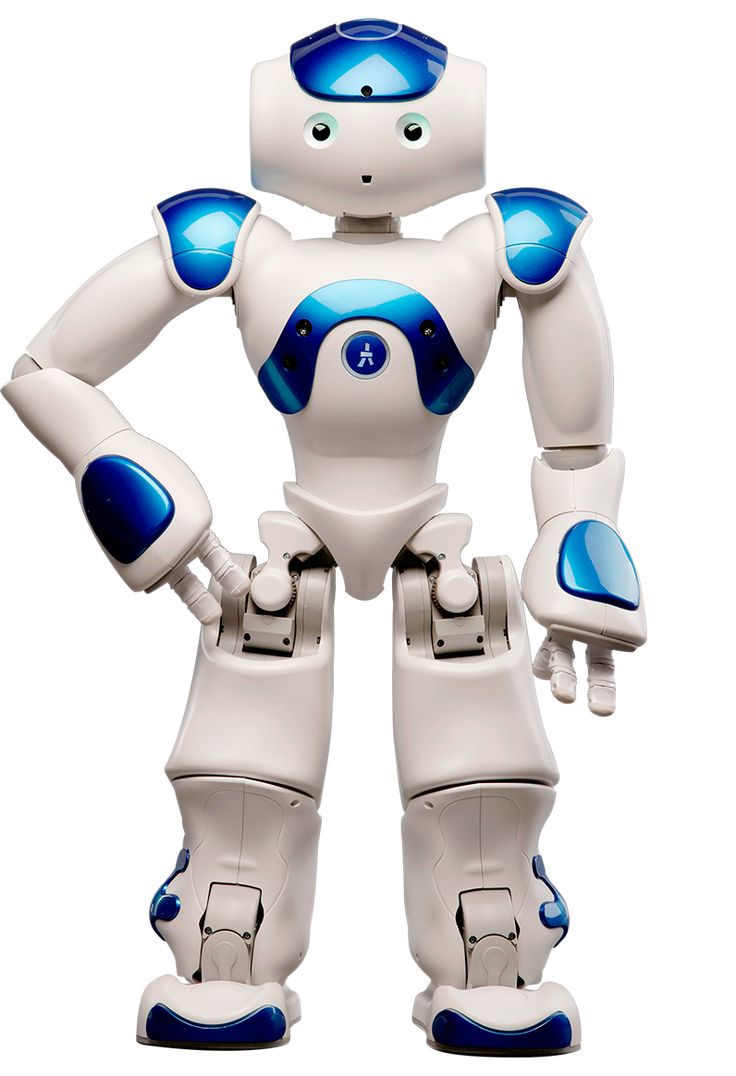

While engineers and futurologists have been predicting the imminent appearance of humanoid robots in every home and factory for decades, reality continues to demonstrate amazing resilience to these forecasts. An article in IEEE Spectrum with the telling title "Why Humanoid Robots Are Still So Hard to Make" debunks the myth of the inevitability of a robotic future where androids will serve humanity.
It turns out that creating a robot that simply stands steadily on two legs is a task comparable in complexity to developing a spaceship. But he still needs to walk, pick up objects and interact with the world around him. Nature has spent millions of years refining human biomechanics, and engineers are trying to replicate this success over several decades — and the results so far are more comical than impressive.
The article pays special attention to the problem of scaling. The robot that works great in a laboratory environment with perfect lighting and a flat floor is completely helpless in the real world, where there are stairs, slippery surfaces and unexpected obstacles. It seems that modern humanoids resemble first-graders who were released from the care of a teacher for a big break — they immediately begin to stumble and fall.
The financial side of the issue also raises a smile. The cost of developing and manufacturing a humanoid robot is comparable to the budget of a small country, while the practical impact remains minimal. It seems that manufacturers got carried away with creating technological masterpieces, forgetting to ask: does anyone need it at all and are people willing to pay the price of a good house for such a toy?
Interestingly, many experts seriously suggest abandoning anthropomorphic design in favor of more practical solutions. After all, why would a robot need two legs if it was going to work in a warehouse where wheels would do just fine? Why does he need five fingers if two grips are enough for most tasks? But apparently, the human imagination is too attached to the image of a robot servant who looks like a human.
The funny thing about this whole story is the seriousness with which large companies continue to invest billions in the development of humanoids. It seems that they are competing not for the market, but for the title of the most advanced participant in the technological show-off.
Perhaps one day we will actually see humanoid robots among us. But judging by the current progress, this will not happen until we learn how to fly on personal jetpacks and live on Mars.


