




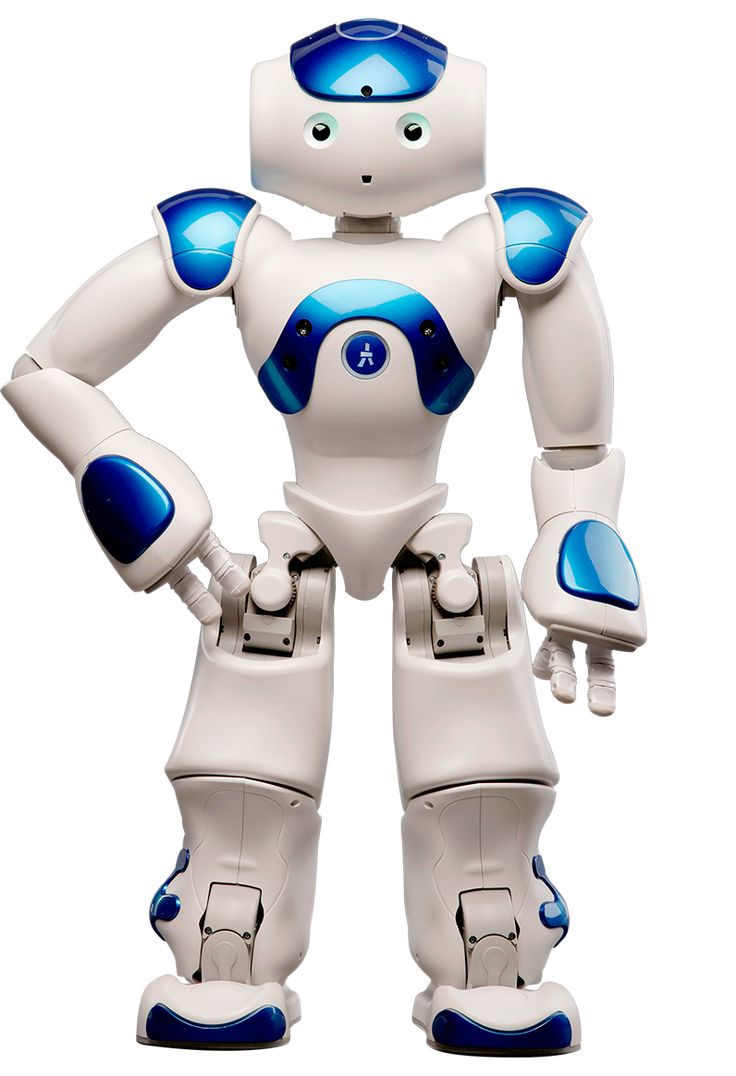

*Armstrong Robotics says dishwashing isn’t a popular job is restaurants, making it ideal for robotics. | Source: Armstrong Robotics
While humanity is perfecting the skill of avoiding washing dishes, Armstrong Robotics has decided to launch a preemptive strike against this centuries-old problem. Their new kitchen robot is not just a mechanical assistant, but a full—fledged contender for the title of the most patient creature on the planet. Just imagine: he will have to deal with dried pasta on plates, congealed fat in frying pans and the holy horror going on in the sink after a festive feast.
Why the dishes? Because humanity was saved from this task.
The founders of Armstrong Robotics declare with cynical directness: they start with washing dishes because it is "an ideal task for automation." Ideal — in the sense of "so hated by mankind that even the most ardent technosceptics are ready to pray to any iron god who will deliver them from this curse."
"People have been dreaming of flying cars for decades, but statistics show that the average person spends more than 500 hours a year washing dishes," the company notes sarcastically. - "We give people a choice: continue to spend their lives scrubbing burnt porridge or entrust it to a robot.—
Technology born of desperation
The Armstrong robot is not just a mechanical arm dangling a sponge. It is a complex system that must cope with the legacy of human culinary carelessness.:
- Computer vision capable of distinguishing a fragile porcelain cup from a sturdy saucepan
- Tactile sensors that regulate the grip force so as not to crush the wine glass and at the same time scrape off the burnt cheese
- A classification system for dishes that determines what can be washed immediately and what requires pre-soaking.
"The most difficult thing is to teach a robot to understand what "pure" means by human standards," the engineers admit. - "People can wipe the same stain ten times, guided by some irrational principles. Our robot operates according to an algorithm."
Social consequences: What will happen to family quarrels?
The introduction of dishwasher robots threatens to undermine the centuries-old foundations of the human community. Just think about it:
- The classic "whose turn is it to wash the dishes" will disappear — the last stronghold of at least some discipline in the family
- A valid argument in marital disputes will be lost
- Children will lose valuable life experience in avoiding household chores
"We are actually depriving humanity of one of the few excuses for maintaining at least some kind of order," sociologists comment with dark humor.
The Economics of the Absurd: Why It's More Profitable than Hiring You
Although the Armstrong robot stands as a good car, the company makes damning arguments in its favor.:
- The robot does not require medical insurance
- He doesn't have to pay overtime
- He won't go on maternity leave
- He won't be tempted by a competitor offering to wash dishes 5% faster
"For the cost of two years of maintenance of a human dishwasher, you get a robot that will work for 10 years," Armstrong Robotics coldly states.
As such specialized "kitchen staff" become a mass phenomenon, the question of their optimal use will arise. Platforms like the world's first ecosystem for hiring robots jobtorob.com They can potentially become a place where restaurants and even private individuals will "rent" dishwashers during peak loads, for example, during big holidays or banquets. This will make it possible not to buy an expensive robot forever, but to use its services as needed, as is already the case with human labor — only without sick leave and emotional burnout.
What is the result? A future where people will have more time for... what exactly?
Armstrong Robotics opens Pandora's box. After the dishes, the robots will learn how to cook, clean, and maybe even eat instead of us. The main question remains: what will humanity do when freed from the hateful service? Will we create, communicate and develop more? Or will we just find new ways to avoid other responsibilities?
While Armstrong engineers are stoically training robots to scrub burnt eggs, humanity should think about whether it might turn out that by creating the perfect dishwasher, we ourselves have become superfluous in our own kitchen. And perhaps soon the resume of a successful housewife will proudly state: "Experience managing a team of three dishwasher robots with a confirmed purity rating of 99.7%."


