

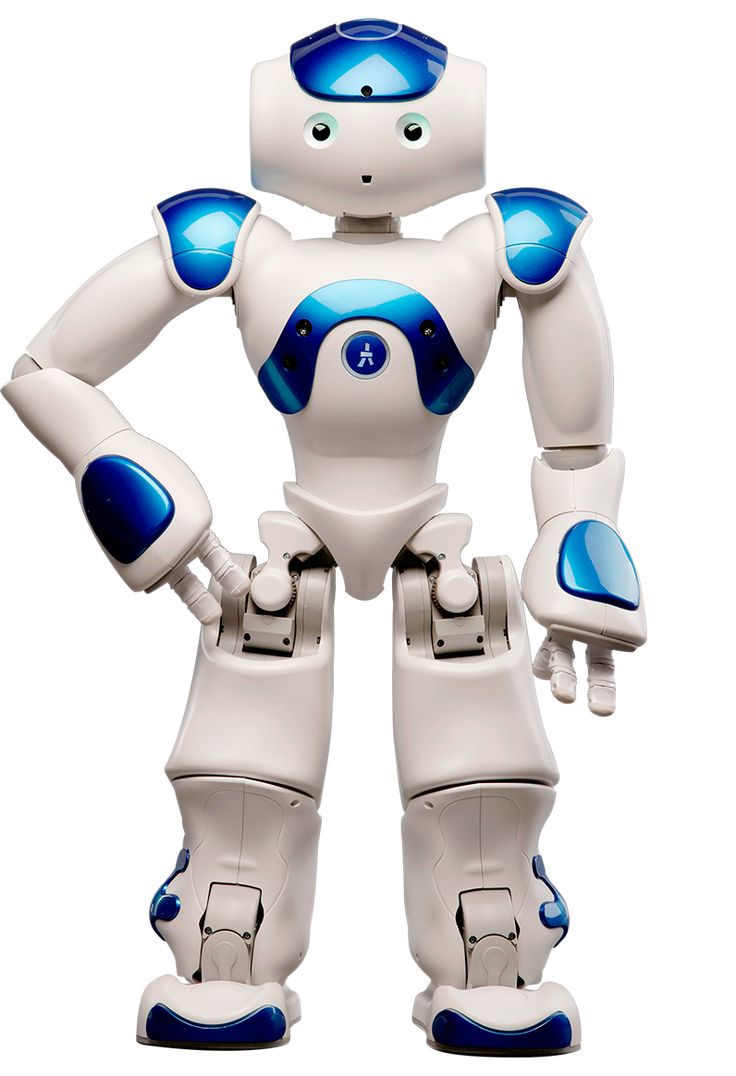
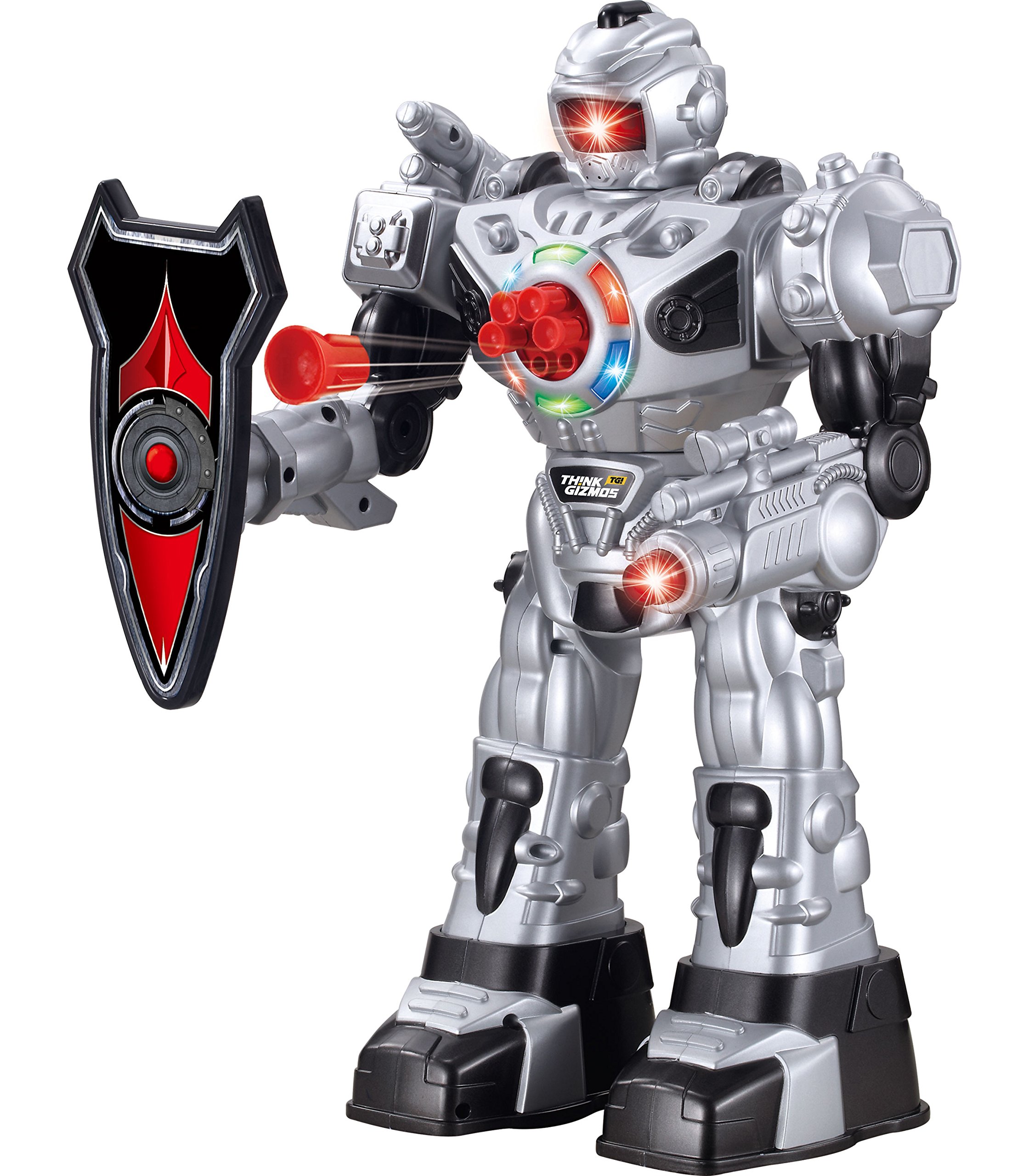
Imagine that the Olympic Games were decided to be held not for humans, but for robots. But instead of smooth running and perfect jumps, the audience watches as metal athletes fall on the treadmill, lose basketball balls and freeze in an attempt to lift the barbell. This is how the world's first games for humanoid robots (World Humanoid Robot Games) went, which reminded us that even technology has days when everything falls out of hand... or out of hand.
Obstacle course: Why do robots fall more often than they run?
The robot race was like a race after the New Year holidays: someone hobbles, someone falls, and someone just freezes at the start. For example, a marathon running robot from the Tiangong company showed a result of 2 hours and 40 minutes, which is decent for a human, but for a machine it's like crawling a snail. The causes of falls are simple:
- Power imbalance: The legs of robots are often ahead of the "brain". AI systems do not have time to process sensor data in real time.
- Power consumption: Batteries run out faster than the robot can say "I need an outlet!".
- Basketball and football: Why are the balls flying not into the net, but into the audience?
In basketball, robots missed 80% of the time, and in football, instead of passes, they got empty kicks. The problem here is the "vision":
Cameras vs. Speed: Robots do not have time to track the trajectory of the ball, especially if it moves faster than 5 km/h.
Coordination: Throwing or hitting requires synchronization of all drives, and this is more difficult than it seems.
Weight lifting: Why did the barbell stay on the floor?
In strength disciplines, robots have shown themselves not as strong men, but as skinny men with ambitions. The maximum weight that most of the participants lifted was 5-7 kg. Reasons:
Drives and torque: Powerful motors require enormous energy and overheat.
Balance: The center of gravity shifts when lifting the load, and the robot simply falls forward.
Why is this a breakthrough anyway?
Despite the comical failures, the games have become an important milestone:
- Real-world testing: The engineers saw weaknesses that could not be noticed in the laboratory.
- Data exchange: Each drop is gigabytes of information for training neural networks.
- Motivation: After such failures, you want to make the robot more stable, and not throw it on the dump.
What's next? Fix mistakes and prepare for new falls!
Scientists are already working on improvements:
- Balancing algorithms: Use data from falls to teach robots to climb faster.
- Energy-efficient batteries: Introduce solid-state batteries that last longer.
- Computer vision: Robots are taught to predict the trajectory of a ball and other objects.
Perhaps in a couple of years we will see robots not just falling, but doing somersaults after falling. But so far, their movements resemble the dance of little ducklings —cute but awkward.


